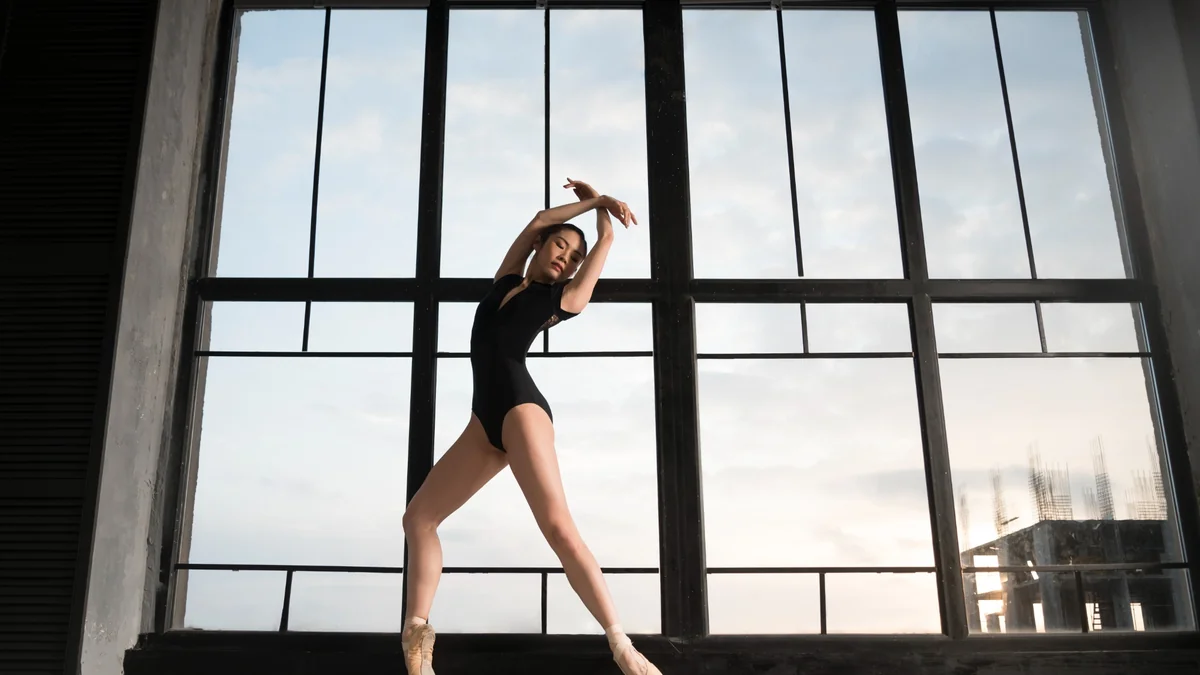
What Is a Dance Portfolio?
If you’ve trained for years, your dance portfolio is how that work shows up in your college application. It’s your opportunity to show schools who you are as a dancer, not just what you’ve done. Every program views portfolios a little differently. Some are evaluating technical strength. Others are looking for artistry, individuality, or creative voice. Your job is to understand what that specific program values and tailor accordingly.
Should Your Submit a Dance Portfolio
Dance portfolios are typically reviewed by faculty in the dance department — not general admissions officers. That means you are being evaluated by people who understand technique, training, artistry, and performance quality. Because of that, a dance portfolio is most appropriate for students who have:
- Trained seriously for many years
- Studied at a high level
- Competed, performed, or attended respected intensives
- Developed strong technical foundations
What Does a Dance Portfolio Usually Look Like?
- 2–7 minutes total
- Short excerpts (30 seconds to 2 minutes each)
- A mix of styles
- Primarily solo work
That said, the specifics vary widely by school. Some schools want a clear sense of you as a dancer and value depth over breadth, while other schools want to see a range and your versatility. Always check the department website under “Prospective Students” for the details.
How to Build a Strong Portfolio
Label Your Excerpts Clearly. Include your full name and “Dance Portfolio” on the first slide. Before each clip, include simple on-screen text with: title of piece, style, year, choreographer (noting if it’s your own work).
Plan Ahead. Many dancers will do a solo their junior year or the summer before senior year. This gives you time to refine it and capture strong footage. If you compete, doing at least one solo helps ensure you’ll have a high-quality video. Some portfolios have included a filmed combo after class or performances. Others are studio-filmed pieces specifically created for your portfolio.
There isn’t one right way to do it. But there is value in being intentional.
Here’s an example of a very strong dance portfolio:
Some Schools Also Require a Dance Resume
A resume may include the following:
- Training (studios, intensives)
- Performance experience
- Competitions and awards
- Choreography
Here’s a great example from USC Glorya Kaufman School of Dance:
How To Submit Your Portfolio? (And Why Timing Matters More Than You Think)
Most dance portfolios are submitted through SlideRoom, typically 1–2 weeks after your Common Application is submitted.
This is important: there are usually additional short-answer questions inside SlideRoom, and sometimes you can’t see them until after you submit the Common App. Questions may require real thought so leave yourself extra time. Some examples include:
- What has your dance background been?
- How will you contribute to our program?
- What do you hope to pursue in college?
BFA vs. BA: The Portfolio’s Weight Changes
If you’re applying to a BFA (Bachelor of Fine Arts), this is usually conservatory-style training. Your dance ability is central. In addition to your portfolio, many BFA programs require:
- Live auditions
- Scheduled audition slots
- Or invitation-only auditions after portfolio review
If you’re applying to a BA (Bachelor of Arts), your portfolio is typically considered in context. Admissions are holistic. While your dance portfolio can strengthen your application, it is unlikely to determine the outcome alone.
Final Thoughts
Your dance portfolio isn’t about including everything you’ve ever done.
It’s about showing who you are as a dancer right now, what makes you unique and showing off your strengths.
It’s important to plan ahead to create strong material and capture quality footage, while also leaving time for any additional questions, letters of recommendation or a resume.
Best of luck to you!